Monday, July 13, 2009 11:37 AM -
ArcGIS-Explorer-Team
ArcGIS Explorer at the ESRI User Conference Plenary - Part 1
At this morning's opening plenary at the ESRI 2009 User Conference, Jack Dangermond introduced ArcGIS Explorer as technology that would be "tranformational." Bernie Szukalski provided a demonstration, highlighting some of the new features and capabilities coming up in the next release.
The first thing users will notice is the new ribbon; it's well designed, intuitive, and makes ArcGIS Explorer very easy to use. As Bernie noted in his opening statements, ArcGIS Explorer is a great way to provide broader access to your GIS data and reach new users.
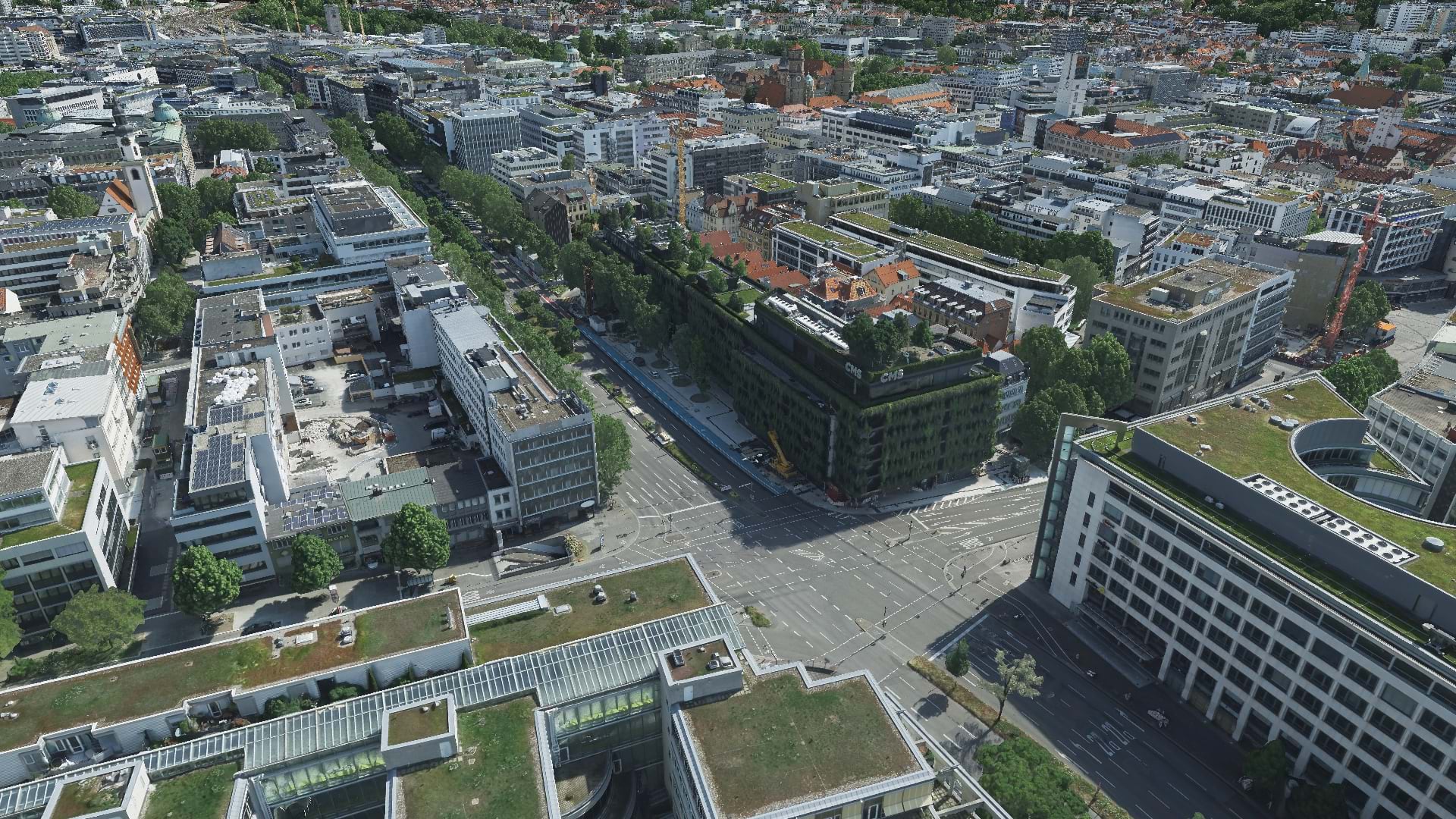
He showcased the new Bing Maps, including Bing Aerials and Bing Roads that are part of Explorer's new basemaps gallery. Here's the Bing roads.

And here's the basemap gallery, showing the thumbnails to click to open Bing roads, aerials, and hybrid along with other ArcGIS Online basemaps.

Bernie explained that the basemap gallery could be extended, and chose a world population basemap that he added to the gallery. Zooming out he introduced the new integrated 2d/3d display, and showed the world population in a Web Mercator projection, explaining that Explorer supports all of the ArcGIS projections and transformations. Here's an example showing the Goode Homosoline projection.

Modes can be toggled on-the-fly, and switching to 3D mode everyone could see that the basemap data was authored in 3D, and that country polygons were extruded based on their population value.

Bernie then explained that one of the unique and defining characteristics of ArcGIS Explorer was that it worked with all users' GIS data directly, with no conversion needed. With the next release ArcGIS layer files and layer packages are supported, bringing ArcGIS Desktop's cartography to ArcGIS Explorer.
Szukalski further explained that layer packages encapsulate the cartography and data in one easy to share file. and that all that Explorer users had to do was turn on the file to see all the ArcGIS Desktop-authored cartography. Here we see several layer packages that were authored using ArcGIS Desktop, including the shared results of a GIS analysis that show high slope areas in close proximity to major roads.

Next, he explained that ArcGIS Explorer could be easily customized, without programming (this uses the new application configurations). And that ArcGIS Explorer also had a powerful SDK which let developers extend Explorer's capabilities with add-ins. He showed a new tab with several add-ins, many found in the new ArcGIS Explorer Labs group shared on ArcGIS Online.

He then used the Profile add-in to drag a line across the surface, explaining that the line was being sent to a remote ArcGIS Server geoprocessing service, which performed the analysis, and returned the result shown below.

Be sure to check out Part II of this two-part post.